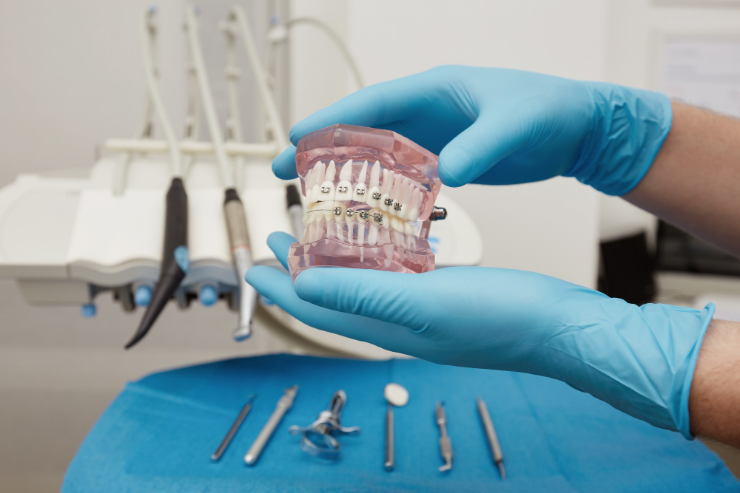
A tooth replacement structure is called a dental implant. The surgeon uses tools that resemble screws to place an implant into the jawbone, which serves as an anchor for a crown—a type of prosthetic tooth.
A device called an abutment connects the artificial tooth to the dental implant.
The crown is crafted specifically to fit the wearer’s mouth and complement their tooth shade. Like real teeth, crowns feel, look, and operate just like them.
Stores provide a variety of whitening products, or you can ask your dentist about choices for take-home gels and trays. They are not, however, as effective as the operations carried out in a dental clinic. If you want to try an over-the-counter whitener, look for the ADA seal. Prior to purchasing, get advice from your dentist if you have any black stains or dental work. If you use them too much, you can break your teeth.
You can ask your dentist about choices for take-home gels and trays, or you can purchase a variety of whitening items from stores. They are not as powerful as the procedures carried out in a dental clinic, though. If you’re thinking about giving an over-the-counter whitener a try, look for the ADA seal. See your dentist before making a purchase if you have any dark stains or dental work. If you keep using them, you might break your teeth.
If you use mouthwashes in addition to regular brushing and flossing, they can help protect your teeth, lessen sensitivity, and give you fresh breath. However, they shouldn’t be used in place of regular cleanings. Your dentist will advise you on the best mouthwash kind. Some people need twice-daily rinses because they have sensitive or dry gums. Mouthwash for children under six should not be used to prevent swallowing.
Frequent checkups aid in identifying issues early on, preventing larger, more expensive treatments down the road. Your teeth will first be cleaned of buildup by a dental hygienist. The dentist will next use special instruments to probe specific areas on the surfaces and close to the gum line. It’s possible that you have some sensitive and uncomfortable spots if it’s been a long between visits. Every six months, or more frequently if your dentist advises it, you should have an examination. Look for someone who puts you at ease and explains what to expect. Once the appointment is completed and a care plan is in place, the fear of visiting the dentist frequently subsides. Being an optimistic parent can assist your children in conquering whatever worries they may have.
Experts in medicine and dentistry evaluate the usage of X-rays and establish safety thresholds. As few as feasible s hould be taken by your dentist. In certain cases, dentists may advise X-rays in order to diagnose a unique issue. Thanks to technological advancements, digital X-rays are safer and emit significantly less radiation than they did in the past. If you haven’t seen a dentist in a while, be prepared to receive them during your initial exam. This facilitates gum and tooth health checks. Photographs may be requested by the dentist every six months if you have gum disease. Regular check-ups should be scheduled every two years, or as per your dentist’s plan. Because their teeth are changing and because they get cavities more frequently than adults, children undergo more X-rays than adults.
Yes, acidic foods like soda and candies, as well as sugary sweets, can adhere to teeth and create cavities. Tobacco chewing and smoking can lead to gum disease and oral cancer, respectively. Teeth can readily crack or break, even though they are designed to chew ice and open things. Your teeth may shatter as a result of gritting or grinding under stress. Biting your nails is another unhealthy habit. It may result in a misalignment of your jaw and alter the fit of your teeth.